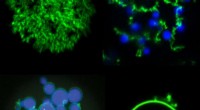
Here's how it works:
* Colloids: Colloids are mixtures where tiny particles are dispersed evenly throughout a medium (like water). These particles are larger than molecules but too small to be seen with the naked eye.
* Flocculation: This is the process of causing the dispersed particles in a colloid to clump together (flocculate) and form larger particles called flocs.
* Flocculants: These chemicals work by neutralizing the charges on the surface of the colloidal particles. This reduction in electrostatic repulsion allows the particles to come closer and clump together.
Examples of flocculants:
* Aluminum sulfate (alum): Used in water treatment to remove suspended solids.
* Ferric chloride: Effective in wastewater treatment for removing heavy metals and other pollutants.
* Polyacrylamide: A synthetic polymer used in various industries, including papermaking and mining.
Other factors affecting flocculation:
* pH: The acidity or alkalinity of the solution can affect the effectiveness of flocculants.
* Temperature: Higher temperatures can increase the rate of flocculation.
* Mixing: Proper mixing is essential to ensure that the flocculants are evenly distributed throughout the solution.
Flocculation is a crucial process in many industries, including water treatment, wastewater treatment, mining, and food processing.