Materials that Dissolve Quickly in Water
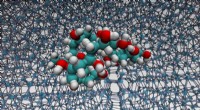
* Sugars (like table sugar): Sugars are polar molecules, meaning they have a slightly positive and slightly negative end. This allows them to form strong bonds with water molecules, leading to rapid dissolving.
* Salts (like table salt): Salts are ionic compounds, composed of positively and negatively charged ions. Water's polarity allows it to surround and pull apart these ions, resulting in quick dissolving.
* Acids (like vinegar): Acids, when mixed with water, release hydrogen ions (H+). These ions readily interact with water molecules, leading to rapid dissolving.
* Bases (like baking soda): Bases, when mixed with water, release hydroxide ions (OH-). These ions, like hydrogen ions, readily interact with water molecules, leading to rapid dissolving.
* Some alcohols (like ethanol): Alcohols, like ethanol, form hydrogen bonds with water molecules. This allows them to dissolve quickly.
* Gases like carbon dioxide: While gases don't dissolve "in" water like solids, they can dissolve *into* it. Carbon dioxide, for instance, dissolves into water to form carbonic acid, contributing to the fizz in carbonated beverages.
Factors Affecting Dissolving Speed
* Temperature: Warmer water molecules move faster, allowing them to interact with the solute molecules more effectively, leading to faster dissolving.
* Stirring or Agitation: Stirring helps break up the solute and expose fresh surfaces to the solvent, speeding up the dissolving process.
* Surface Area: A finely powdered substance will dissolve faster than a large lump because it has more surface area exposed to the solvent.
Materials that Don't Dissolve Quickly in Water
* Oils and Fats: These are nonpolar molecules and don't mix well with water.
* Sand and Rocks: These are mostly made of minerals that don't dissolve in water.
* Plastic: Most plastics are not soluble in water.
Important Note: Even materials that dissolve quickly in water have a limit to how much can dissolve at a given temperature. This is called the solubility limit.