Physical Change
* Definition: A change in the form or appearance of a substance, but not its chemical composition.
* Key Signs:
* Change in state of matter: Melting, freezing, boiling, condensation, sublimation, deposition.
* Change in size or shape: Cutting, crushing, breaking, bending.
* Change in color (sometimes): Dissolving sugar in water (colorless to colorless).
* Change in texture: Crushing an ice cube into smaller pieces.
* Examples:
* Ice melting into water
* Breaking a piece of chalk
* Dissolving sugar in water
* Cutting a piece of paper
Chemical Change
* Definition: A change in the chemical composition of a substance, resulting in the formation of a new substance with different properties.
* Key Signs:
* Production of gas: Bubbles forming (like baking soda reacting with vinegar).
* Formation of a precipitate (solid): A cloudy substance forming when solutions are mixed.
* Change in color: Iron rusting (shiny metal to reddish-brown).
* Release or absorption of heat (temperature change): Burning wood, mixing baking soda and vinegar (feels cold).
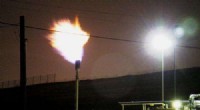
* Production of light: Burning a candle, a firefly glowing.
* Formation of a new odor: Spoiled milk (sour smell).
* Examples:
* Burning wood
* Baking a cake
* Rusting of iron
* Mixing baking soda and vinegar
* Milk going sour
Important Note:
* Reversible vs. Irreversible Changes: Physical changes are usually reversible (you can often get the original substance back). Chemical changes are often irreversible (you can't easily get the original substance back).
* Observing Changes: Sometimes it can be tricky to determine if a change is physical or chemical, especially if you can't see any obvious signs like a color change. You might need to consider the chemical makeup of the substance before and after the change.