1. Acids
* Strong Acids: These completely ionize in water, releasing H+ ions. Common examples include:
* Hydrochloric acid (HCl)
* Nitric acid (HNO₃)
* Sulfuric acid (H₂SO₄)
* Weak Acids: These only partially ionize in water, meaning they release fewer H+ ions. Examples include:
* Acetic acid (CH₃COOH) - found in vinegar
* Carbonic acid (H₂CO₃) - formed when carbon dioxide dissolves in water
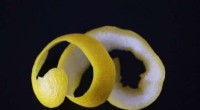
* Citric acid (C₆H₈O₇) - found in citrus fruits
2. Compounds that Hydrolyze to Form Acids
Some compounds, when dissolved in water, react with water to form acids. This is called hydrolysis.
* Metal Cations: Certain metal cations (positively charged ions) can react with water to form acidic solutions. Examples include:
* Aluminum ions (Al³⁺)
* Iron(III) ions (Fe³⁺)
* Copper(II) ions (Cu²⁺)
3. Nonmetal Oxides
* Acid Anhydrides: These are oxides of nonmetals that react with water to form acids. Examples include:
* Sulfur dioxide (SO₂) → Sulfurous acid (H₂SO₃)
* Carbon dioxide (CO₂) → Carbonic acid (H₂CO₃)
* Nitrogen dioxide (NO₂) → Nitrous acid (HNO₂)
Key Concept:
Acidity is determined by the concentration of hydrogen ions (H+) in a solution. Compounds that release H+ ions directly or through a reaction with water will produce acidic solutions.