What happens during a chemical reaction:
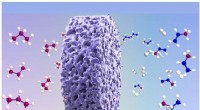
* Rearrangement of Atoms: The fundamental units of matter, atoms, are rearranged to form new molecules with different properties.
* Formation of New Bonds: Existing chemical bonds between atoms are broken, and new bonds are formed.
* Energy Changes: Chemical reactions involve the release or absorption of energy, often in the form of heat or light.
* Changes in Chemical Composition: The starting substances (reactants) are transformed into different substances (products).
Examples of Chemical Reactions:
* Combustion: Burning wood involves oxygen reacting with the wood to form carbon dioxide, water, and ash.
* Rusting: Iron reacts with oxygen and water to form iron oxide, which we call rust.
* Cooking: When you cook food, you are applying heat to cause chemical reactions that change the flavor, texture, and appearance of the food.
* Photosynthesis: Plants use sunlight, carbon dioxide, and water to produce glucose (sugar) and oxygen.
Key Points:
* Chemical Reactions are not always visible: Some reactions are obvious (burning, rusting), while others are subtle (digestive processes).
* Chemical Reactions follow specific laws: The Law of Conservation of Mass states that matter cannot be created or destroyed in a chemical reaction, only rearranged.
Learning more:
If you want to delve deeper into the world of chemical reactions, you can learn about:
* Types of Chemical Reactions: There are many types of chemical reactions, each with its own characteristics.
* Chemical Equations: These are used to represent chemical reactions symbolically.
* Factors that Affect Reaction Rates: Temperature, concentration, catalysts, and surface area can influence how quickly a reaction proceeds.
Let me know if you have any other questions about chemical reactions!