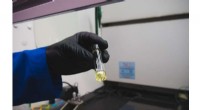
* Formation of a new substance: The reaction produces a green precipitate of iron(II) hydroxide (Fe(OH)₂) and sodium sulfate (Na₂SO₄) in solution. This is a clear indication of a new substance being formed.
* Irreversible process: The formation of the precipitate is generally irreversible. While you could potentially dissolve the precipitate again, it's not the same as reversing the initial reaction.
* Chemical bonds are broken and formed: The reaction involves breaking the bonds in FeSO₄ and NaOH and forming new bonds to create Fe(OH)₂ and Na₂SO₄.
Here's the balanced chemical equation:
FeSO₄(aq) + 2NaOH(aq) → Fe(OH)₂(s) + Na₂SO₄(aq)
Key points:
* (aq) indicates the substance is dissolved in water (aqueous solution).
* (s) indicates the substance is a solid (precipitate).
Let me know if you have any more questions!