* Heat is energy transfer: Heat is the transfer of thermal energy from one object or system to another due to a temperature difference. It's not something a molecule "has" on its own.
* Molecular vibrations and collisions: Heat energy manifests as increased molecular vibrations and collisions within a substance. When a molecule vibrates or collides with another, it transfers energy.
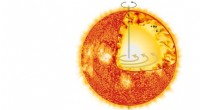
* Conduction, convection, and radiation: Heat is transferred through these three primary mechanisms:
* Conduction: Direct transfer of heat through molecular collisions in solids, liquids, and gases.
* Convection: Heat transfer through the movement of fluids (liquids or gases).
* Radiation: Heat transfer through electromagnetic waves, which can travel through a vacuum.
So, how does heat flow?
Think of it like a chain reaction:
1. Heat source: A hot object has molecules that are vibrating vigorously.
2. Collision: These molecules collide with nearby molecules, transferring some of their energy.
3. Chain reaction: The collision process continues, causing more molecules to vibrate, and so on.
4. Energy transfer: This chain reaction ultimately spreads the heat energy throughout the object or system.
In summary:
* Heat is not a property of a single molecule but rather a result of energy transfer between many molecules.
* It's the collective vibrations and collisions of molecules that enable heat to transfer through a material, not the individual movement of heat through a single molecule.