Here's a breakdown:
* Atoms: The smallest unit of an element that retains the chemical properties of that element.
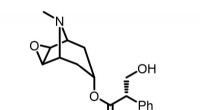
* Molecules: Two or more atoms bonded together, forming a distinct chemical species with its own unique properties.
Why is the molecular level important?
Understanding the molecular level is crucial because it provides insights into:
* Chemical reactions: How molecules interact, break, and form new bonds to create new substances.
* Properties of materials: How the arrangement and interactions of molecules define the properties of matter, such as its color, density, conductivity, and reactivity.
* Biological processes: The intricate dance of molecules within living organisms, driving processes like metabolism, cell signaling, and DNA replication.
* Medicine and pharmaceuticals: The design and development of drugs that target specific molecules to treat diseases.
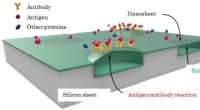
* Nanotechnology: The manipulation of matter at the nanoscale, working with individual molecules to create new materials and devices.
Tools and techniques used to study the molecular level:
* Spectroscopy: Techniques like infrared (IR) and nuclear magnetic resonance (NMR) spectroscopy provide information about the structure and bonding of molecules.
* Microscopy: Electron microscopy allows us to visualize individual molecules and their arrangement.
* Computational modeling: Computer simulations help to predict the behavior of molecules and their interactions.
Examples of molecular level phenomena:
* DNA replication: The unwinding, copying, and re-winding of the DNA molecule.
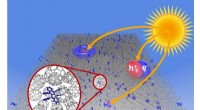
* Photosynthesis: The capture of light energy by chlorophyll molecules within plants.
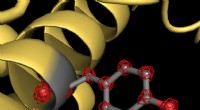
* Enzyme catalysis: The acceleration of chemical reactions by proteins called enzymes, which interact with specific molecules at their active sites.
In essence, the molecular level is the foundation upon which our understanding of the world is built. By delving into the interactions of molecules, we gain profound insights into the nature of matter and the complexity of life itself.