* Inhibition of DNases: DNases, enzymes that degrade DNA, require magnesium ions as a cofactor for their activity. By binding to these ions, EDTA effectively inactivates DNases, preventing DNA degradation during the isolation process.
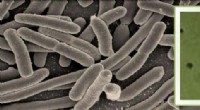
* Stabilization of cell membranes: Some protocols use EDTA to weaken cell membranes, making them more permeable and facilitating the release of DNA. This is especially important for isolating DNA from bacteria and other organisms with strong cell walls.
In summary, EDTA is a key component in DNA isolation because it:
1. Protects DNA from degradation by chelating magnesium ions, which are essential for DNase activity.
2. Can help to disrupt cell membranes, making DNA more accessible.
However, it's important to note that EDTA is not always used in DNA isolation protocols. Some methods rely on other techniques, like mechanical lysis, to break open cells and release DNA. The specific reagents and methods used for DNA isolation will vary depending on the source material and the intended application.