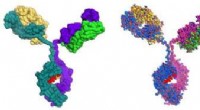
Metalloproteins are proteins that contain metal ions as an integral part of their structure and function. These metal ions play crucial roles in a wide range of biological processes, acting as:
1. Structural Components:
* Stabilize protein structure: Metal ions can act as bridges between amino acid residues, helping to maintain the protein's shape and stability.
* Form specific 3D structures: Metal ions can influence the folding and arrangement of the protein chain, leading to unique and specific structures essential for function.
2. Catalytic Cofactors:
* Enhance enzyme activity: Many enzymes require metal ions as cofactors to facilitate chemical reactions. These ions can:
* Stabilize transition states: Lowering activation energy and increasing reaction rates.
* Provide reactive intermediates: Participate in redox reactions or act as Lewis acids, influencing the reactivity of the enzyme.
* Examples:
* Hemoglobin: Iron in heme binds to oxygen, facilitating its transport in the blood.
* Cytochrome c oxidase: Copper and iron ions help transfer electrons in the electron transport chain for energy production.
3. Electron Carriers:
* Facilitate electron transfer: Metal ions with variable oxidation states can readily accept or donate electrons, enabling them to transport electrons within cells or across membranes.
* Examples:
* Cytochromes: Proteins containing heme with iron, crucial in respiration and photosynthesis.
* Ferredoxin: Iron-sulfur clusters involved in electron transfer reactions in metabolic pathways.
4. Signal Transduction:
* Mediate cellular communication: Metal ions can bind to specific sites on proteins, triggering a conformational change that initiates signaling cascades.
* Examples:
* Zinc fingers: Zinc ions help DNA-binding proteins recognize specific sequences in DNA.
* Calmodulin: Calcium ions bind to this protein, activating various enzymes and signaling pathways.
5. Other Functions:
* Regulation of gene expression: Metal ions can influence the transcription of specific genes.
* Protection against oxidative stress: Metal ions can help detoxify reactive oxygen species.
Examples of Metalloproteins:
* Hemoglobin: Iron-containing protein responsible for oxygen transport in blood.
* Myoglobin: Iron-containing protein responsible for oxygen storage in muscles.
* Cytochrome c oxidase: Copper and iron-containing enzyme crucial for cellular respiration.
* Superoxide dismutase: Manganese, copper, or zinc-containing enzyme that detoxifies harmful reactive oxygen species.
* Insulin: Zinc-containing hormone that regulates blood sugar levels.
Significance of Metalloproteins:
Metalloproteins are essential for life, playing crucial roles in a vast array of biological processes. Understanding their structure, function, and regulation is vital for comprehending human health and disease. Studying metalloproteins can lead to the development of new drugs and therapies for treating diseases such as anemia, cancer, and neurodegenerative disorders.
Note: The specific metal ion, its coordination environment, and its interactions with the protein determine the specific function of the metalloprotein. This diverse array of metal-protein interactions makes metalloproteins fascinating and important molecules in biology.