1. Carbohydrates: These are made up of carbon, hydrogen, and oxygen. They provide energy for living organisms and are found in sugars, starches, and cellulose.
2. Lipids (Fats and Oils): Composed of carbon, hydrogen, and oxygen (but with a lower proportion of oxygen compared to carbohydrates). They store energy, provide insulation, and form cell membranes.
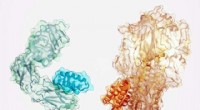
3. Proteins: Contain carbon, hydrogen, oxygen, and nitrogen (and sometimes sulfur). They build and repair tissues, act as enzymes, and are involved in many bodily functions.
4. Nucleic Acids (DNA and RNA): These contain carbon, hydrogen, oxygen, nitrogen, and phosphorus. They carry genetic information and are crucial for protein synthesis and cell function.