* Amino acids are the building blocks of proteins: Proteins are vital for countless cellular functions, including enzymes, structural components, and signaling molecules. Without amino acids, cells couldn't build these proteins.
* Nitrogen source: The amine group provides nitrogen, a key element for various cellular processes like DNA synthesis, nucleotide production, and amino acid biosynthesis.
* Metabolic pathways: The amine group is involved in various metabolic pathways like the urea cycle, where it's used to detoxify ammonia.
Where the confusion might come from:
* Ammonia: While the amine group itself is not toxic, the breakdown of amino acids can produce ammonia (NH3). Ammonia is a toxic compound, and its accumulation in the body can lead to serious health problems.
* Specific amino acids: Some amino acids, when present in excessive amounts, can have toxic effects. For example, high levels of glutamate, an excitatory neurotransmitter, can lead to neuronal damage.
In summary:
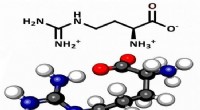
The amine group of an amino acid is a crucial component for cellular life. It's the breakdown products, like ammonia, that can be toxic, but the amine group itself is not.