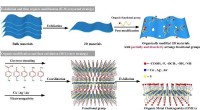
1. Functional Groups: These are specific groups of atoms that exhibit characteristic chemical properties. They are like "building blocks" that determine the chemical reactivity and properties of the molecule. Some common functional groups include:
* Hydroxyl (-OH): Involved in hydrogen bonding, making molecules polar and soluble in water. Found in alcohols, sugars, and many other important molecules.
* Carbonyl (C=O): Found in aldehydes, ketones, and sugars. Affects reactivity and polarity, contributing to the formation of sugars and lipids.
* Carboxyl (-COOH): Acts as an acid, donating a proton (H+). Important in amino acids, fatty acids, and other molecules.
* Amino (-NH2): Acts as a base, accepting a proton (H+). Essential component of amino acids, proteins, and nucleotides.
* Phosphate (-PO4): Highly reactive, involved in energy transfer and signaling pathways. Found in DNA, RNA, and ATP.
* Sulfhydryl (-SH): Involved in protein folding and enzyme activity. Found in cysteine, an amino acid.
* Methyl (-CH3): Relatively inert, but can affect the structure and function of molecules by altering their shape or hydrophobicity. Involved in gene expression and other cellular processes.
2. Side Chains (R Groups): These are specific groups of atoms that vary between different molecules. In the case of amino acids, the side chain is what determines the unique properties of each amino acid.
How these atoms determine function:
* Polarity: The presence of functional groups like hydroxyl and carbonyl groups make the molecule polar, allowing it to dissolve in water and interact with other polar molecules.
* Reactivity: Functional groups like carboxyl and amino groups can act as acids or bases, participating in chemical reactions within the cell.
* Structure: The arrangement of functional groups and side chains defines the shape of the molecule, which is crucial for its interactions with other molecules.
* Hydrophobicity/Hydrophilicity: The presence of hydrophobic groups like methyl groups can make a molecule repel water, while hydrophilic groups like hydroxyl groups attract water. This influences how the molecule interacts with other molecules and membranes.
Examples:
* Sugars: Contain hydroxyl and carbonyl groups, making them polar and soluble in water. They are used as energy sources and building blocks for larger molecules.
* Proteins: Contain amino groups, carboxyl groups, and a variety of side chains, which allow them to fold into specific shapes and perform diverse functions like catalysis, transport, and structural support.
* Nucleic Acids: Contain phosphate groups, which are crucial for energy transfer and for the formation of DNA and RNA. They store and transmit genetic information.
In summary, the diversity of atoms attached to the carbon backbone of molecules allows for a vast range of functions within a cell. By understanding the properties of these atoms and functional groups, we can gain insights into the complex world of cellular processes.