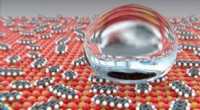
Materials:
* Activated Carbon: This highly porous material is excellent at absorbing a wide range of gases, including odors, pollutants, and toxic chemicals. It's commonly used in air purifiers, gas masks, and water filters.
* Zeolites: These crystalline aluminosilicates have a cage-like structure that traps specific gas molecules. They are used in gas separation, drying, and catalysis.
* Metal-organic frameworks (MOFs): These porous materials with high surface areas can be tailored to absorb specific gases based on their structure and composition. They are promising for gas storage and separation.
* Silica gel: A desiccant that absorbs water vapor from the air, often used in food packaging and electronics.
* Clay: Certain clays have the ability to absorb gases, particularly methane and carbon dioxide. They are being investigated for carbon capture applications.
Biological systems:
* Lungs: The alveoli in the lungs absorb oxygen from the air we breathe.
* Intestines: The small intestine absorbs nutrients and gases, including carbon dioxide and methane, from the food we eat.
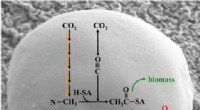
* Plants: Plants absorb carbon dioxide from the atmosphere during photosynthesis.
Processes:
* Absorption: This is a process where a gas dissolves into a liquid. For example, carbon dioxide is absorbed by water to form carbonic acid.
* Adsorption: This is a process where gas molecules attach to the surface of a solid material.
The specific material or process used to absorb gas will depend on the desired application. For example, activated carbon is a good choice for removing odors and pollutants, while zeolites are better suited for gas separation.
It's important to note that the terms "absorption" and "adsorption" are often used interchangeably, but they refer to different processes.