Here's why:
* Barrier and Regulator: The cell membrane acts as a selective barrier, controlling what enters and exits the cell. This is crucial for maintaining the internal environment and allowing for essential chemical reactions to occur.
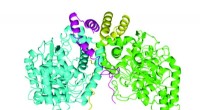
* Enzyme Activity: Many enzymes are embedded within the cell membrane, playing a vital role in catalyzing chemical reactions that occur at the cell surface.
* Signal Transduction: The cell membrane is the primary site for receiving signals from the environment and translating them into intracellular responses, leading to changes in cellular activity.
* Transport: The cell membrane contains various transport proteins that facilitate the movement of molecules across the membrane, including nutrients, waste products, and signaling molecules.
* Metabolic Reactions: While the primary site for metabolic reactions is within the cytoplasm, the cell membrane plays a role in certain metabolic processes, such as respiration and photosynthesis.
Other surfaces also contribute to chemical activity:
* Organelles: Structures within the cell like mitochondria, chloroplasts, and the endoplasmic reticulum have specialized membranes that facilitate specific chemical reactions.
* Cytoplasm: The fluid interior of the cell provides a medium for chemical reactions and contains dissolved enzymes and substrates.
While the cell membrane is the primary surface, the coordinated activity of various structures and components within the cell allows for a complex network of chemical reactions to occur, enabling life.