Here's a breakdown:
* Solvent: The substance that dissolves the solute (usually water).
* Solute: The substance that gets dissolved in the solvent.
* Semipermeable Membrane: A membrane that allows certain molecules to pass through while blocking others.
How it works:
Semipermeable membranes are designed to have pores or openings of a specific size. Solvent molecules, like water, are small enough to fit through these pores. However, larger solute molecules are too big to pass through.
Examples of semipermeable membranes:
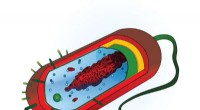
* Cell membranes: These membranes surround every cell and control what enters and leaves.
* Dialysis tubing: Used in medical procedures to filter blood.
* Reverse osmosis membranes: Used to purify water by separating water molecules from impurities.
Important Note: The term "semipermeable" can sometimes be used interchangeably with "selectively permeable." However, there is a subtle difference:
* Semipermeable: This term refers to the membrane's ability to let *some* things pass through while blocking others.
* Selectively permeable: This term is more specific, emphasizing that the membrane actively chooses what molecules it allows to pass through, often based on specific chemical properties.
Let me know if you'd like more detail on any of these concepts!