Here's how ultraviolet light, heat, and lightning contributed to the formation of the first organic molecules:
Ultraviolet light:
* Energy source: UV light provided the energy needed to break down simple inorganic molecules like methane, ammonia, and water.
* Formation of reactive species: UV light can create free radicals and reactive oxygen species, which can then participate in chemical reactions leading to the formation of more complex organic molecules.
Heat:
* Energy for chemical reactions: Heat provided the energy required for the necessary chemical reactions to occur.
* Evaporation and condensation: Heat drove cycles of evaporation and condensation, potentially concentrating dissolved organic molecules.
Lightning:
* Energy source: Lightning provided a powerful energy source that could break apart molecules and create new ones.
* Synthesis of organic molecules: Lightning strikes can create high temperatures and pressures, which can lead to the formation of amino acids and other organic molecules from inorganic precursors.
The Miller-Urey experiment:
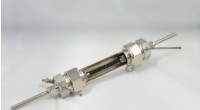
This famous experiment demonstrated the potential for the formation of organic molecules from inorganic components under conditions mimicking the early Earth. It used heat, electricity (simulating lightning), and a mixture of methane, ammonia, hydrogen, and water. The experiment resulted in the formation of a range of amino acids, sugars, and other organic molecules, providing strong support for the heterotroph hypothesis.
Key takeaway:
While the heterotroph hypothesis itself focuses on the nature of the first living organisms, it acknowledges the vital role of ultraviolet light, heat, and lightning in providing the energy and conditions necessary to create the first organic molecules, which were then essential for the emergence of life.