* Crystal violet: This dye inhibits the growth of most Gram-positive bacteria. It acts as a bacteriostatic agent by interfering with cell wall synthesis.
* Sodium chloride (7.5%): This high salt concentration creates a hypertonic environment. Most bacteria cannot tolerate such high salt levels and will be inhibited. However, halotolerant bacteria, which have adapted to thrive in high salt conditions, can grow on this medium.
Therefore, CVA is selective because it favors the growth of halotolerant bacteria while inhibiting the growth of most other bacteria.
Specific uses of CVA:
* Isolation of Staphylococcus aureus: This common human pathogen is halotolerant and can grow on CVA, making it useful for isolating and identifying S. aureus from mixed cultures.
* Differentiation of Staphylococcus species: CVA can differentiate between halotolerant species like S. aureus and non-halotolerant species like S. epidermidis.
* Quality control: CVA is used in the food industry to assess the presence of halotolerant bacteria in food products.
Note: While CVA is selective, it is not differential. This means it does not provide visual differentiation between different types of bacteria that grow on the medium.
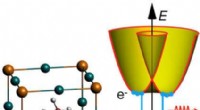




![Dual Isomers of [IrC₄H₂]⁺ Reveal Separate Catalytic Paths: One Activates Methane, the Other Converts Water to CO](https://www.scienceaq.com/article/uploadfiles/202210/2022100914113319_S.jpg)