1. Carbohydrates: These are made up of carbon, hydrogen, and oxygen. They serve as the primary energy source for organisms and also play structural roles (like in cell walls). Examples include sugars, starches, and cellulose.
2. Lipids (Fats and Oils): Also made up of carbon, hydrogen, and oxygen, but with a higher proportion of hydrogen. Lipids are important for energy storage, insulation, and cell membrane structure. Examples include fats, oils, and phospholipids.
3. Proteins: These are made up of carbon, hydrogen, oxygen, nitrogen, and sometimes sulfur. Proteins are the workhorses of the cell, carrying out a wide variety of functions like transporting molecules, catalyzing reactions, and providing structural support.
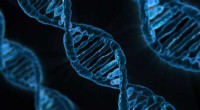
4. Nucleic Acids (DNA and RNA): These are made up of carbon, hydrogen, oxygen, nitrogen, and phosphorus. Nucleic acids contain the genetic information of an organism and are responsible for protein synthesis.
So, while there isn't a "four main parts" breakdown, these four types of organic molecules are the building blocks of life, making up the majority of the molecules found in organisms.