1. Natural Sciences: Focus on the study of the natural world. This includes:
* Physical Sciences: Study the fundamental constituents of the universe and their interactions. Examples include:
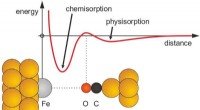
* Physics: Study of matter and energy and their interactions.
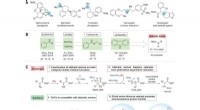
* Chemistry: Study of matter and its properties, as well as how matter changes.
* Astronomy: Study of celestial objects and phenomena.
* Earth Science: Study of the Earth, its composition, structure, and processes.
* Life Sciences (Biology): Study of living organisms, their structures, functions, growth, origin, evolution, and distribution. Examples include:
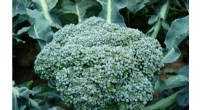
* Botany: Study of plants.
* Zoology: Study of animals.
* Microbiology: Study of microscopic organisms.
* Ecology: Study of the relationships between organisms and their environment.
2. Social Sciences: Focus on the study of human society and its interactions. This includes:
* Anthropology: Study of human cultures and societies.
* Economics: Study of production, distribution, and consumption of goods and services.
* Political Science: Study of governments, political systems, and political behavior.
* Psychology: Study of the human mind and behavior.
* Sociology: Study of human social behavior and social structures.
Other branches:
* Formal Sciences: Study abstract systems and their properties, often using mathematical methods. Examples include:
* Mathematics: Study of numbers, quantities, and their relationships.
* Logic: Study of valid reasoning.
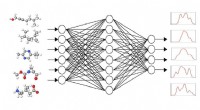
* Computer Science: Study of computers and computational systems.
Interdisciplinary fields: Many scientific fields overlap and combine elements from multiple branches, creating new areas of study. For example:
* Biochemistry: Combines biology and chemistry.
* Astrophysics: Combines physics and astronomy.
* Environmental Science: Combines biology, chemistry, and earth science.
The categorization of science can be complex, and there are many other ways to divide it into different fields. The above classification provides a broad overview of the major areas of scientific study.