Here's a breakdown of how temperature impacts food oxidation:
* Oxidation always happens: Oxygen in the air reacts with the molecules in food, causing it to change color, flavor, and texture. This is a natural process that happens at all temperatures, even in the refrigerator.
* Higher temperatures accelerate oxidation: Heat provides the energy for the chemical reactions involved in oxidation to happen faster. That's why food spoils more quickly at room temperature than in the refrigerator.
* Specific temperature thresholds: There isn't a single temperature where oxidation suddenly begins. Different foods oxidize at different rates, and factors like moisture content, pH, and the presence of antioxidants play a role.
Here are some examples of how oxidation affects food at different temperatures:
* Room temperature: Cut fruit browns quickly due to oxidation. Fatty foods like nuts and oils go rancid faster.
* Refrigeration: Oxidation happens more slowly in the refrigerator, but it doesn't stop completely.
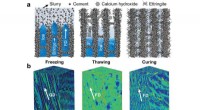
* Freezing: Freezing slows down oxidation significantly because the low temperature reduces the rate of chemical reactions.
To summarize, oxidation is a continuous process that happens at all temperatures. Higher temperatures simply speed up the process.