1. Inorganic Compounds:
* Water (H₂O): The most abundant compound in living organisms, making up about 60-70% of their mass. It acts as a solvent, transports nutrients, and regulates temperature.
* Salts: Important for maintaining osmotic balance and nerve impulse transmission. Examples include sodium chloride (NaCl) and potassium chloride (KCl).
* Minerals: Essential for various biological functions. Examples include calcium (Ca), phosphorus (P), iron (Fe), and magnesium (Mg).
2. Organic Compounds:
* Carbohydrates: Primary energy source for cells and structural components. Examples include sugars, starches, and cellulose.
* Lipids (Fats and Oils): Provide energy storage, insulation, and cell membrane structure. Examples include triglycerides, phospholipids, and steroids.
* Proteins: Serve as enzymes, hormones, structural components, and transport molecules. They are composed of amino acids linked together.
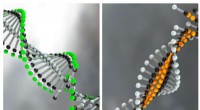
* Nucleic Acids: Carry genetic information (DNA) and help in protein synthesis (RNA). Examples include deoxyribonucleic acid (DNA) and ribonucleic acid (RNA).
In addition to these major categories, there are many other important chemicals found in living systems, including:
* Vitamins: Organic compounds required in small amounts for various metabolic processes.
* Hormones: Chemical messengers that regulate biological processes.
* Neurotransmitters: Chemicals that transmit nerve impulses.
* Pigments: Coloring molecules found in plants and animals.
Understanding the chemical composition of living systems is crucial for comprehending their structure, function, and interaction with the environment.