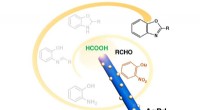
* Specificity: Enzymes are highly specific. They typically catalyze a single reaction or a very limited set of reactions involving specific molecules (substrates).
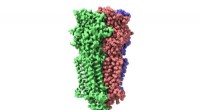
* Evolution and Diversity: There are thousands of different enzymes in living organisms, each with its own unique structure and function. This diversity reflects the vast array of chemical reactions that occur in cells.
* Reaction Conditions: The activity of an enzyme can be influenced by factors like pH, temperature, and the presence of cofactors. These conditions can affect which reactions the enzyme catalyzes.
Therefore, it's more accurate to say that each enzyme has a specific set of reactions it can catalyze, rather than a fixed number.
Examples:
* Lactase: This enzyme specifically breaks down lactose (milk sugar) into glucose and galactose.
* DNA polymerase: This enzyme catalyzes the synthesis of DNA from a template strand.
* Proteases: This broad class of enzymes breaks down proteins into smaller peptides or amino acids.
Key point: Enzyme specificity is a fundamental principle of biochemistry and is crucial for the proper functioning of cellular processes.