Simple Molecules:
* Water (H₂O): The most abundant molecule on Earth.
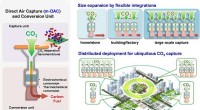
* Carbon Dioxide (CO₂): A greenhouse gas crucial for photosynthesis.
* Oxygen (O₂): Essential for respiration in many organisms.
* Nitrogen (N₂): The most abundant gas in the atmosphere.
* Methane (CH₄): A potent greenhouse gas and a major component of natural gas.
* Ammonia (NH₃): Used in fertilizers and cleaning products.
* Hydrogen Chloride (HCl): A strong acid found in the stomach.
Organic Molecules:
* Glucose (C₆H₁₂O₆): A simple sugar used as an energy source by cells.
* Sucrose (C₁₂H₂₂O₁₁): Table sugar, a disaccharide composed of glucose and fructose.
* Ethanol (C₂H₅OH): The alcohol found in alcoholic beverages.
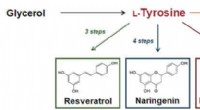
* Glycerol (C₃H₈O₃): A component of fats and oils.
* Palmitic acid (C₁₆H₃₂O₂): A saturated fatty acid found in many fats.
* Amino acids: Building blocks of proteins. Examples include glycine, alanine, and lysine.
* DNA (deoxyribonucleic acid): The molecule that carries genetic information.
* RNA (ribonucleic acid): Involved in protein synthesis and other cellular processes.
Inorganic Molecules:
* Sodium Chloride (NaCl): Table salt.
* Calcium Carbonate (CaCO₃): Found in seashells and bones.
* Sulfuric Acid (H₂SO₄): A strong acid used in many industrial processes.
* Carbon Monoxide (CO): A poisonous gas.
* Ozone (O₃): A gas that protects the Earth from harmful ultraviolet radiation.
Other:
* Aspirin (C₉H₈O₄): A common pain reliever.
* Penicillin (C₁₆H₁₈N₂O₄S): An antibiotic.
* Insulin (C₂H₁₁N₂O₄S): A hormone that regulates blood sugar levels.
* Caffeine (C₈H₁₀N₄O₂): A stimulant found in coffee and tea.
This is just a small sample of the vast number of molecules that exist. The field of chemistry is dedicated to studying the properties and reactions of these molecules.