1. Chlorophyll Breakdown:
* Cause: As leaves age or when conditions aren't optimal for photosynthesis (like in autumn), the chlorophyll molecule starts to break down.
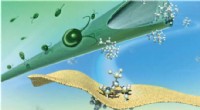
* Mechanism: Enzymes within the leaf cells begin to dismantle the chlorophyll molecule.
* Result: The green pigment of chlorophyll fades, revealing other pigments (like carotenoids and anthocyanins) that were already present in the leaf.
2. What Happens to the Chlorophyll Components:
* Chlorophyll a and b: These pigments are broken down into smaller molecules. Some of these molecules can be recycled by the plant, but others are released as waste products.
* Phytol Tail: This hydrophobic tail of chlorophyll is also broken down and its components can be reused by the plant.
3. Consequences of Chlorophyll Degradation:
* Leaf Color Change: Leaves turn yellow, orange, red, or brown as the green chlorophyll fades and other pigments become visible.
* Nutrient Recycling: Some of the breakdown products can be recycled by the plant, contributing to its growth and development.
* Senescence: Chlorophyll degradation is a part of the overall process of leaf senescence, where the leaf prepares for detachment from the plant.
It's important to note: Chlorophyll degradation is a natural process that happens continuously in plants. The rate of degradation is affected by factors like temperature, light availability, and the age of the leaf.