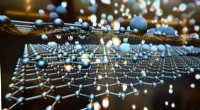
1. Conduction: This is the most common way electrons are transferred in materials. It occurs when electrons move freely through a material, like a metal, from a region of higher potential energy to a region of lower potential energy. This happens because metals have a "sea" of free electrons that can easily move around.
2. Friction: When two different materials are rubbed together, electrons can be transferred from one material to the other. This is called the triboelectric effect. For example, rubbing a balloon on your hair causes electrons to transfer from your hair to the balloon, which is why the balloon then sticks to your hair.
3. Chemical Reactions: During chemical reactions, electrons can be transferred between atoms. This is known as oxidation-reduction, or redox reactions. In these reactions, one atom loses electrons (oxidation) while another gains electrons (reduction). This transfer of electrons is what drives the reaction.
4. Thermionic Emission: When a material is heated to a high enough temperature, some of its electrons can gain enough energy to escape from the surface. This is called thermionic emission and is used in devices like vacuum tubes.
5. Photoelectric Effect: When light shines on a metal, it can cause electrons to be emitted from the metal's surface. This is called the photoelectric effect and is used in solar panels.
6. Field Emission: If a strong electric field is applied to a material, it can cause electrons to be pulled out of the material. This is called field emission and is used in some electron microscopes.
7. Ionization: When an atom loses or gains electrons, it becomes an ion. This process is called ionization and can happen through various methods like collisions with other atoms or molecules, exposure to radiation, or interactions with electric fields.
These are just some of the ways electrons can be transferred. Understanding these different mechanisms is crucial for understanding how electrical currents work and for designing various electronic devices.