* Water: Water is an excellent heat conductor and has a high heat capacity, making it effective at transferring heat from the engine to the radiator.
* Antifreeze: Antifreeze is a vital addition to the radiator coolant for several reasons:
* Freezing Protection: Prevents the coolant from freezing in cold weather, which could damage the radiator and engine.
* Boiling Point Elevation: Increases the boiling point of the coolant, preventing it from boiling over in hot conditions.
* Corrosion Inhibition: Protects the radiator and engine components from corrosion.
Other Coolants:
While water and antifreeze are the most common, there are other liquids that can be used in radiators, although they are less common:
* Propylene Glycol: A safer alternative to ethylene glycol (the most common type of antifreeze). It's biodegradable and less toxic.
* Oil-Based Coolants: Used in some older vehicles, but they are less efficient and pose environmental concerns.
Important Considerations:
* Coolant Type: The type of coolant used in a radiator depends on the vehicle's make and model. Check your owner's manual for specific recommendations.
* Mixing Coolants: Never mix different types of coolant, as this can create chemical reactions that can damage your engine.
In summary, water mixed with antifreeze is the standard coolant for radiators, offering excellent heat transfer, freezing protection, and corrosion prevention. Always consult your owner's manual for specific recommendations on the correct coolant for your vehicle.

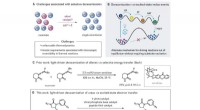
![Dual Isomers of [IrC₄H₂]⁺ Reveal Separate Catalytic Paths: One Activates Methane, the Other Converts Water to CO](https://www.scienceaq.com/article/uploadfiles/202210/2022100914113319_S.jpg)