Piezoelectric substances are special materials with a unique ability: they convert mechanical pressure into electrical energy, and vice versa. Think of them as tiny energy transformers!
Here's a breakdown:
What they do:
* Piezoelectricity: When you apply pressure to a piezoelectric material, it generates an electrical charge. This effect is known as "piezoelectricity," derived from the Greek words "piezein" (to press) and "elektron" (amber, an early source of electricity).
* Reverse Piezoelectricity: Conversely, applying an electric field to a piezoelectric material causes it to deform, expanding or contracting in size.
How it works:
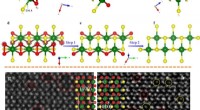
The key lies in the material's internal structure. Piezoelectric materials have an asymmetric crystal structure with unevenly distributed electrical charges. When pressure is applied, this structure distorts, causing the charges to shift and generate an electric field. The opposite effect happens when an electric field is applied.
Examples of piezoelectric materials:
* Quartz: One of the most common and well-known piezoelectric materials. It's used in watches, clocks, and other timekeeping devices.
* Tourmaline: A semi-precious stone known for its pyroelectric properties (generating electricity from heat) and piezoelectric properties.
* Lead zirconate titanate (PZT): A synthetic ceramic material commonly used in sensors, actuators, and other applications.
* Polyvinylidene fluoride (PVDF): A flexible polymer material with high piezoelectricity, making it suitable for applications like wearable sensors and energy harvesting.
Applications of piezoelectric materials:
These materials are incredibly versatile, finding their way into a wide range of applications, including:
* Sensors:
* Pressure sensors
* Accelerometers
* Microphones
* Ultrasound transducers
* Actuators:
* Inkjet printers
* Piezoelectric motors
* Medical devices
* Energy Harvesting:
* Converting mechanical vibrations into electrical energy for powering small electronic devices
* Other uses:
* Piezoelectric igniters in gas grills and lighters
* High-voltage generators in power plants
* Acoustic resonators in electronic devices
In short:
Piezoelectric materials are fascinating substances that act as tiny energy converters, transforming pressure into electricity and vice versa. This unique property makes them valuable for a wide array of applications, from sensors and actuators to energy harvesting and more. Their versatility continues to inspire new innovations and solutions in various fields.