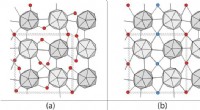
Conduction in Solids:
* Closely packed particles: Atoms in solids are tightly packed together, allowing for easy transfer of heat energy through collisions.
* Vibrational energy: The heat energy is transferred as vibrations through the solid lattice structure.
* High thermal conductivity: Solids generally have higher thermal conductivity than fluids, meaning they transfer heat more efficiently.
Conduction in Fluids:
* Less dense packing: Particles in liquids and gases are farther apart, making collisions less frequent.
* Random motion: Particles in fluids move randomly, which can hinder the transfer of heat energy in a specific direction.
* Lower thermal conductivity: Fluids generally have lower thermal conductivity than solids.
Examples:
* Metals: Excellent conductors of heat (solids)
* Air: A poor conductor of heat (gas)
* Water: A relatively good conductor of heat (liquid), but less so than metals
Exceptions:
* Gases: While gases generally have low thermal conductivity, some gases like helium have unique properties that allow them to conduct heat relatively well under specific conditions.
In summary: Solids are much better conductors of heat than fluids because their tightly packed structure allows for efficient energy transfer through collisions and vibrations.