Here's a breakdown:
* Thermal: Relating to heat or temperature.
* Conductor: A substance that allows something to pass through it easily.
Think of it like a pipe for heat. A good thermal conductor acts like a wide, open pipe that allows heat to move through it quickly. A poor thermal conductor is like a narrow, clogged pipe that hinders the flow of heat.
Examples of good thermal conductors:
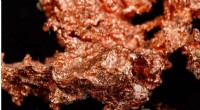
* Metals: Copper, aluminum, silver, gold
* Water
* Diamond
Examples of poor thermal conductors (insulators):
* Wood
* Plastic
* Air
* Styrofoam
Why are thermal conductors important?
* Heating and Cooling: Thermal conductors are essential for transferring heat in heating and cooling systems (e.g., radiators, heat sinks).
* Cooking: Metal pots and pans conduct heat well, allowing food to cook evenly.
* Electronics: Thermal conductors help dissipate heat generated by electronic components, preventing overheating.
In a nutshell: Thermal conductors are important materials that enable the efficient transfer of heat energy.