Key Metals in Nuclear Reactions:
* Uranium (U): The most common fuel in nuclear power plants. Uranium-235, a specific isotope, is fissile, meaning it can sustain a chain reaction.
* Plutonium (Pu): Another fissile material used in nuclear weapons and some reactors. Plutonium is produced from Uranium-238 through neutron capture.
* Thorium (Th): A naturally abundant element with potential for use in nuclear reactors. It's fertile, meaning it can be transformed into fissile material (Uranium-233) through neutron capture.
* Beryllium (Be): Used as a neutron moderator in some reactors, slowing down neutrons to make them more likely to cause fission.
* Zirconium (Zr): Used in cladding for nuclear fuel rods. It resists corrosion and has low neutron absorption.
* Hafnium (Hf): Used in control rods, absorbing neutrons to regulate the nuclear reaction.
Other Important Metals:
* Lead (Pb): Used in shielding to protect from radiation.
* Aluminum (Al): Used in cladding and reactor components.
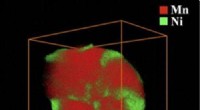
* Nickel (Ni): Used in alloys for reactor components due to its resistance to high temperatures and corrosion.
* Stainless Steel: Used for various reactor components, including piping and pressure vessels.
It's crucial to note:
* Metals used in nuclear reactions are often specially engineered and processed to meet specific requirements related to radiation resistance, corrosion resistance, neutron absorption, and other factors.
* Nuclear reactions are complex and involve many processes beyond just the use of metals. They also utilize non-metallic materials like water (as a moderator and coolant) and gases.
Let me know if you'd like to explore a specific aspect of nuclear metals in more detail!