1. The Energetic Dance:
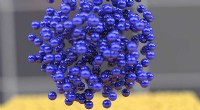
* Molecules in Motion: Both the solute (the substance being dissolved) and the solvent (the substance doing the dissolving) are composed of molecules in constant, random motion. This motion is driven by thermal energy, meaning hotter substances have faster-moving molecules.
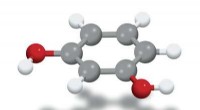
* Attractive Forces: These molecules are held together by attractive forces, like hydrogen bonds or van der Waals forces.
* Collision and Separation: The random motion of the solvent molecules causes collisions with the solute molecules. If the attractive forces between the solvent molecules and the solute molecules are stronger than the forces holding the solute molecules together, the solute molecules will be pulled apart and dispersed throughout the solvent.
2. The Role of Randomness:
* No Specific Path: This process is entirely random. Individual solvent molecules don't "target" specific solute molecules; they simply bump into them.
* Probability and Equilibrium: Over time, the probability of a solvent molecule colliding with a solute molecule and breaking it apart is high enough to cause the dissolving. This process continues until a state of equilibrium is reached where the rate of dissolving equals the rate of solute molecules re-forming in the solution.
3. Key Factors:
* Solubility: The extent to which a substance dissolves is its solubility. It depends on the strength of the attractive forces between the solute and solvent molecules relative to the forces within the solute.
* Temperature: Higher temperatures mean faster molecular motion, leading to more collisions and faster dissolving.
* Stirring: Stirring increases the rate of dissolving by bringing fresh solvent molecules into contact with the solute.
4. An Analogy:
Imagine a crowded dance floor with people loosely holding hands. If someone starts dancing wildly, they bump into others, and eventually, the groups break apart. The "wild dancer" represents the solvent molecules, and the "people holding hands" represent the solute molecules. The stronger the bond between the people, the harder it is to break them apart.
In summary: Dissolving is a consequence of the constant, random motion of molecules. When the attractive forces between the solvent and solute molecules are strong enough to overcome the forces holding the solute together, the solute molecules break apart and disperse into the solvent, creating a solution.