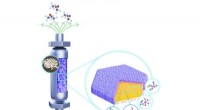
* Conduction Basics: Conduction is the transfer of heat through direct contact between molecules. In solids, molecules are tightly packed, allowing for efficient energy transfer.
* Gas vs. Solid: Gases have molecules that are much more spread out and move around more freely. This means there are fewer collisions between gas molecules and the solid surface, reducing the rate of heat transfer.
* Factors Affecting Conduction: The rate of heat transfer by conduction depends on:
* Temperature difference: A larger temperature difference between the gas and solid will result in faster heat transfer.
* Thermal conductivity: The thermal conductivity of the materials involved plays a role. Solids generally have higher thermal conductivity than gases.
* Contact area: A larger contact area between the gas and solid will lead to faster heat transfer.
Examples:
* Heating a pan on a stove: The hot burner (solid) transfers heat to the air (gas) surrounding it, and then the air transfers heat to the pan.
* A hot air balloon: The hot air inside the balloon (gas) conducts heat to the fabric (solid) of the balloon, keeping it warm.
While conduction between gas and solid isn't as efficient as conduction between two solids, it still plays a significant role in heat transfer processes.