Here's a breakdown:
* Physical Change:
* Examples: Melting ice, cutting paper, boiling water.
* No new substance is formed. The chemical composition remains the same.
* Often reversible. You can often get the original substance back.
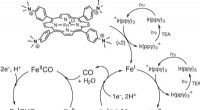
On the other hand, a chemical change does change the substance's identity. It involves the formation of new substances with different properties.
* Chemical Change:
* Examples: Burning wood, rusting iron, baking a cake.
* New substance(s) are formed. The chemical composition changes.
* Usually irreversible. It's hard to get the original substances back.
In summary: A physical change is a change in the appearance of a substance without changing its chemical composition. A chemical change is a change in the chemical composition of a substance, resulting in the formation of a new substance.