1. Vibrations Create Sound Waves:
* Sound is generated by vibrations. When an object vibrates, it causes the molecules around it to also vibrate.
2. Molecular Collisions and Energy Transfer:
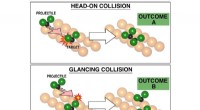
* These vibrating molecules collide with their neighbors, transferring energy.
* The energy is passed from molecule to molecule, creating a chain reaction.
3. Compression and Rarefaction:
* As the molecules vibrate, they bunch up (compression) and spread out (rarefaction) in a pattern called a sound wave.
* This wave travels through the medium (air, water, solid) by these alternating compressions and rarefactions.
4. Molecular Density and Speed:
* The speed of sound depends on the density and elasticity of the medium.
* In denser media, molecules are closer together, allowing for faster energy transfer and higher sound speeds.
5. How We Hear:
* Sound waves reach our ears, causing the eardrum to vibrate.
* These vibrations are transmitted through tiny bones in the middle ear to the inner ear.
* The fluid in the inner ear moves, stimulating hair cells that send signals to the brain, allowing us to perceive sound.
In summary:
Sound is essentially the transfer of vibrational energy through collisions between molecules. The closer the molecules are, the faster the energy transfers, and the faster the sound travels.