Here's a more detailed explanation:
* Oxidation: The process of combining with oxygen is called oxidation. It's a fundamental chemical reaction.
* Oxides: The resulting compounds formed by this reaction are called oxides. They are essentially compounds containing oxygen combined with another element.
Examples:
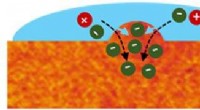
* Iron oxide (rust): Iron reacts with oxygen in the presence of moisture to form iron oxide, commonly known as rust.
* Carbon dioxide: Carbon reacts with oxygen to form carbon dioxide, a gas essential for plant life.
* Water (H2O): Hydrogen reacts with oxygen to form water.
Sources of Oxides:
Oxides are found naturally in the environment, such as:
* Minerals: Many minerals are oxides, like iron oxides (hematite, magnetite), aluminum oxide (corundum), and silicon dioxide (quartz).
* Air: The air we breathe contains oxygen, which forms oxides with other elements present.
* Water: Water is an oxide of hydrogen.
Oxides can also be produced through various human activities like:
* Combustion: Burning fuels like wood, coal, and natural gas releases oxides of carbon, sulfur, and other elements.
* Industrial processes: Many industrial processes involve oxidation reactions to produce oxides of various elements.
* Chemical synthesis: Oxides can be synthesized in laboratories for various purposes.
The formation of oxides is a crucial process in many natural and human-made systems. It plays a role in everything from rusting to the formation of rocks and minerals, and even the respiration of living organisms.