Natural Sources:
* Volcanic eruptions: Release sulfur dioxide, ash, and other gases.
* Forest fires: Emit smoke, carbon monoxide, and particulate matter.
* Sea salt: Wind-blown salt particles can contribute to haze.
* Dust storms: Carry dust and sand into the atmosphere, impacting visibility and respiratory health.
* Biological processes: Pollen, mold spores, and bacteria can contribute to air pollution.
Human-Made Sources:
* Combustion of fossil fuels: Burning coal, oil, and natural gas for electricity, transportation, and industrial processes releases pollutants like sulfur dioxide, nitrogen oxides, particulate matter, and carbon dioxide.
* Industrial processes: Factories release pollutants like volatile organic compounds (VOCs), heavy metals, and particulate matter.
* Agriculture: Livestock farming releases methane and ammonia, while pesticide application releases volatile organic compounds.
* Transportation: Vehicles emit carbon monoxide, nitrogen oxides, particulate matter, and hydrocarbons.
* Waste management: Burning waste and landfills release methane and other pollutants.
How Pollutants Interact:
Once released into the atmosphere, these pollutants can react with each other and with sunlight to form new pollutants. For example, nitrogen oxides and volatile organic compounds react in the presence of sunlight to form ground-level ozone, a major component of smog.
Types of Air Pollution:
* Particulate matter (PM): Tiny particles suspended in the air, ranging from dust to soot. Can cause respiratory problems and cardiovascular disease.
* Ozone (O3): A gas formed from the reaction of nitrogen oxides and volatile organic compounds in sunlight. Can damage lung tissue and worsen respiratory conditions.
* Sulfur dioxide (SO2): A gas produced from burning fossil fuels. Can contribute to acid rain and respiratory problems.
* Nitrogen oxides (NOx): Gases produced from burning fossil fuels. Contribute to smog, acid rain, and respiratory problems.
* Carbon monoxide (CO): A colorless, odorless gas produced from incomplete combustion. Can reduce oxygen-carrying capacity of blood.
* Lead (Pb): A heavy metal that can accumulate in the body, causing neurological problems and other health issues.
Consequences of Air Pollution:
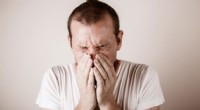
* Respiratory problems: Asthma, bronchitis, and other lung diseases.
* Cardiovascular disease: Heart attacks, strokes, and other heart problems.
* Cancer: Lung cancer and other types of cancer.
* Reduced lifespan: Air pollution can shorten life expectancy.
* Climate change: Greenhouse gases like carbon dioxide trap heat in the atmosphere, contributing to global warming.
* Acid rain: Can damage forests, lakes, and buildings.
Mitigation Measures:
* Transitioning to cleaner energy sources: Solar, wind, and hydroelectric power.
* Improving fuel efficiency and adopting electric vehicles: Reducing emissions from transportation.
* Implementing stricter emission standards for industries and vehicles: Reducing pollutants released into the atmosphere.
* Promoting public transportation and active transportation: Walking, cycling, and using public transit.
* Protecting forests and restoring degraded lands: Trees absorb carbon dioxide and filter air pollution.
* Improving air quality monitoring and forecasting: Early warning systems for high pollution events.
By understanding the sources, formation, and impacts of air pollution, we can work towards cleaner air and a healthier planet.