* Chlorine is dissolved in water: When chlorine is added to water, it reacts to form hypochlorous acid (HOCl) and hydrochloric acid (HCl). These acids then dissociate into ions, meaning chlorine is no longer present as a separate molecule.
* Chemical bonds: The chlorine atoms are chemically bonded to the water molecules, forming new substances.
* Safety: Separating chlorine gas from water is a dangerous process that should only be performed by trained professionals with proper equipment and safety precautions.
Instead of separating the chlorine, here are some ways to remove it from water:
1. Boiling: Boiling water can drive off some chlorine gas, but this is not a reliable or complete method.
2. Activated carbon filtration: Activated carbon filters can effectively remove chlorine from water.
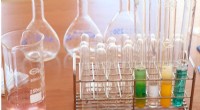
3. Chemical treatment: Chemicals like sodium thiosulfate can react with chlorine, neutralizing it.
4. UV light exposure: UV light can break down chlorine compounds, but this is less effective than other methods.
Important Note: Chlorine is a powerful disinfectant and is added to water supplies to kill bacteria and viruses. While removing chlorine may be necessary for some applications, it's crucial to understand the potential risks associated with doing so. Always consult with a professional to determine the best course of action for your specific needs.