* Carbon dioxide gas (CO₂): This is the most noticeable result, causing fizzing and bubbling.
* Sodium acetate (NaCH₃COO): This is a salt that remains dissolved in the solution.
* Water (H₂O): This is also produced as a result of the reaction.
The Reaction:
The reaction is a double displacement reaction:
Na₂CO₃ (aq) + 2 CH₃COOH (aq) → 2 NaCH₃COO (aq) + H₂O (l) + CO₂ (g)
Explanation:
* Vinegar (acetic acid) is a weak acid.
* Sodium carbonate is a base.
* When they react, the acid (acetic acid) donates a proton (H⁺) to the base (sodium carbonate), forming carbon dioxide, water, and sodium acetate.
Observations:
* Fizzing and bubbling: This is due to the release of carbon dioxide gas.
* The solution might become cloudy: This is due to the formation of sodium acetate, which can precipitate out of solution under certain conditions.
* The solution will become less acidic: The reaction neutralizes the acid.
Uses:
This reaction has various uses:
* Baking: Sodium bicarbonate (baking soda) is a common ingredient in baking, where it reacts with acids in the recipe to produce carbon dioxide, which helps cakes and bread rise.
* Cleaning: The reaction can be used to clean surfaces, especially in cleaning products like vinegar and baking soda cleaners.
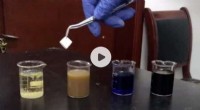
* Experiments: This reaction is a popular demonstration in chemistry classes to illustrate chemical reactions and gas production.
Safety:
While the reaction is generally safe, it's important to:
* Use the appropriate amounts of each ingredient.
* Conduct the reaction in a well-ventilated area as carbon dioxide can displace oxygen.
* Avoid contact with eyes and skin.