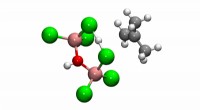
* Sulfate (-SO3-): This is the primary functional group responsible for the surfactant properties of SLS. It forms an ionic bond with the sodium ion (Na+), giving the molecule its overall negative charge.
* Alkyl chain (C12H25-): This long, hydrophobic chain is responsible for interacting with oils and grease, helping to remove dirt and grime.
* Alcohol (-OH): While not directly part of the sulfate group, the alcohol group is present in the lauryl portion of the molecule. It contributes to the surfactant properties of SLS by providing a site for the sulfate group to attach.
In summary:
The sulfate group makes SLS anionic, and the long alkyl chain makes it hydrophobic. This combination of properties allows SLS to effectively remove dirt and grease from surfaces.