Here's a breakdown of what happens:
* Electrons are transferred: The metal atoms lose electrons, which are negatively charged particles.
* Metal ions are formed: Since the metal atom loses negatively charged electrons, it becomes a positively charged ion.
* Oxidation state increases: The oxidation state of the metal atom increases, indicating that it has lost electrons.
Here are some examples of oxidation:
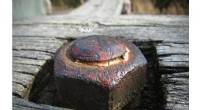
* Rusting: When iron reacts with oxygen and water, it forms iron oxide (rust). This is a common example of oxidation.
* Tarnishing: When silver reacts with sulfur in the air, it forms silver sulfide, which is a dark layer on the surface of the silver.
* Corrosion: This is a general term for the deterioration of a material due to a chemical reaction with its environment, often involving oxidation.
Factors affecting oxidation:
* Presence of oxygen: Oxygen is a common oxidizing agent.
* Presence of water: Water can accelerate oxidation by acting as a solvent for oxygen and promoting the formation of metal hydroxides.
* Temperature: Higher temperatures generally increase the rate of oxidation.
* Type of metal: Different metals have different tendencies to oxidize. Some metals, like gold and platinum, are very resistant to oxidation.
Consequences of oxidation:
* Loss of strength and structural integrity: Oxidation can weaken the metal and make it brittle.
* Change in appearance: The surface of the metal can become discolored or corroded.
* Reduced electrical conductivity: Oxidation can increase the resistance of the metal to electrical current flow.
Preventing oxidation:
* Coatings: Applying protective coatings, such as paint, varnish, or metal plating, can prevent contact with oxygen and water.
* Antioxidants: Certain chemicals can act as antioxidants and prevent oxidation.
* Controlled environments: Keeping the metal in a dry and oxygen-free environment can prevent oxidation.