* High boiling point and melting point: The strong hydrogen bonds between water molecules require a significant amount of energy to break, leading to a higher boiling point and melting point than expected for a molecule of its size.
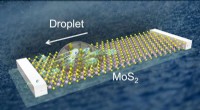
* High surface tension: The strong attraction between water molecules due to hydrogen bonding gives water a high surface tension, allowing it to form droplets and resist external forces.
* High heat capacity: Water can absorb a large amount of heat energy without a significant increase in temperature due to the hydrogen bonds. This makes water an excellent coolant and helps regulate Earth's climate.
* Universal solvent: Water's polarity and ability to form hydrogen bonds make it an excellent solvent for many substances, including salts, sugars, and proteins. This is crucial for life as we know it.
* Unusual density behavior: Water is most dense at 4°C. This is due to the hydrogen bonds, which cause water molecules to arrange in a crystalline structure at low temperatures, making it less dense than liquid water. This property is important for aquatic life, as it allows ice to float and insulate water below.
In summary, hydrogen bonding in water is responsible for many of its unique and essential properties that are vital for life on Earth.