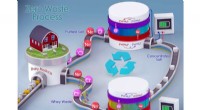
Here's a breakdown:
* Dissolution: Minerals can dissolve in water, forming a solution. This happens because the water molecules interact with the mineral molecules and break them apart.
* Evaporation: As the water evaporates, the concentration of dissolved minerals increases.
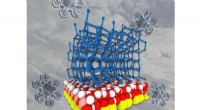
* Crystallization: When the concentration of minerals becomes high enough, the dissolved minerals start to precipitate out of the solution. This means they come together and form a solid structure, called a crystal.
* Rock Formation: Over time, the crystals grow larger and can form a solid rock.
This process is known as evaporite deposition and is responsible for the formation of many sedimentary rocks, including:
* Halite (rock salt): Formed from the evaporation of seawater or salty lakes.
* Gypsum: Another common evaporite formed from the evaporation of water containing calcium sulfate.
* Rock Gypsum: Formed from the recrystallization of gypsum.
In addition to evaporation, other factors can cause crystallization, including:
* Cooling: As water cools, the solubility of minerals decreases, causing them to crystallize.
* Changes in pH: Changes in the acidity or alkalinity of water can also cause minerals to precipitate out.
Let me know if you'd like to know more about any of these processes!