4 ClO⁻ + S2O3²⁻ + 2 OH⁻ → 2 Cl⁻ + SO4²⁻ + 2 H2O + 2 SO3²⁻
Here's a breakdown of the reaction:
* Hypochlorite ion (ClO⁻) is the oxidizing agent, meaning it gains electrons.
* Thiosulfate ion (S2O3²⁻) is the reducing agent, meaning it loses electrons.
* Hydroxide ions (OH⁻) are involved in the reaction as a base.
* Chloride ions (Cl⁻) are produced as the hypochlorite ion is reduced.
* Sulfate ions (SO4²⁻) are produced as the thiosulfate ion is oxidized.
* Sulfite ions (SO3²⁻) are also produced as a byproduct of the oxidation of thiosulfate.
* Water (H2O) is formed as a result of the reaction.
This reaction is important for several reasons:
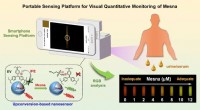
* Water treatment: Hypochlorite is used to disinfect water. The reaction with thiosulfate can be used to remove excess chlorine from water.
* Analytical chemistry: The reaction can be used to determine the concentration of hypochlorite or thiosulfate in a solution.
* Photography: Thiosulfate is used as a fixer in photography to remove unexposed silver halide crystals from the photographic film.
It's important to note that this reaction is complex and can be influenced by factors such as pH, temperature, and the presence of other ions.