Positive Impacts:
* Pollution Reduction: Chemists have developed technologies to reduce pollution from various sources, including:
* Air pollution: Catalysts for cleaner car engines, scrubbers for removing pollutants from industrial emissions.
* Water pollution: Wastewater treatment processes, biodegradable detergents, and methods for removing heavy metals.
* Soil pollution: Bioremediation techniques using microbes to clean up contaminated soil.
* Renewable Energy: Chemists play a crucial role in developing:
* Solar energy: Developing more efficient solar cells and materials.
* Wind energy: Improving turbine materials and efficiency.
* Biofuels: Synthesizing biofuels from renewable sources.
* Sustainable Materials: Chemists develop:
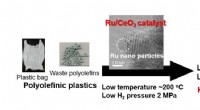
* Biodegradable plastics: Replacing traditional plastics with biodegradable alternatives.
* Recyclable materials: Developing new materials with better recycling properties.
* Sustainable agriculture: Developing new fertilizers and pesticides with less environmental impact.
* Environmental Monitoring: Chemists develop tools and methods for:
* Air quality monitoring: Measuring air pollutants and tracking changes.
* Water quality monitoring: Analyzing water samples for pollutants.
* Soil testing: Assessing soil health and contamination levels.
Negative Impacts:
* Pollution Generation: Many chemical processes have contributed to:
* Air pollution: Emissions from factories, power plants, and vehicles.
* Water pollution: Discharge of industrial wastewater and agricultural runoff.
* Soil pollution: Use of pesticides, herbicides, and industrial byproducts.
* Climate Change: Some chemicals contribute to climate change by:
* Greenhouse gas emissions: Production and use of fossil fuels, industrial processes.
* Ozone depletion: Use of certain refrigerants and industrial chemicals.
* Harmful Chemicals: The development and use of some chemicals have led to:
* Toxic waste: Disposal of hazardous chemicals posing risks to human health and ecosystems.
* Persistent organic pollutants (POPs): Chemicals that persist in the environment and accumulate in food chains.
* Endocrine disruptors: Chemicals that interfere with hormone function.
Moving Forward:
Recognizing both the positive and negative impacts, there is a growing focus on:
* Green Chemistry: Designing chemical processes and products that are environmentally benign.
* Sustainable Chemistry: Developing and using chemistry for a sustainable future.
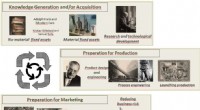
* Circular Economy: Designing products and processes to minimize waste and promote resource recovery.
It's important to acknowledge that the impact of chemistry on the environment is complex and multifaceted. While there have been significant negative impacts, chemists continue to work towards mitigating these issues and developing solutions for a more sustainable future.