1. Appearance and Odor:
* Water: Clear, colorless, and odorless.
* Hydrogen Peroxide: Also clear and colorless, but it often has a slightly bitter taste and a faint, bleach-like odor.
2. Chemical Reactivity:
* Water: Generally unreactive, but can react with some metals to produce hydrogen gas.
* Hydrogen Peroxide: A strong oxidizer. It readily decomposes into water and oxygen gas, releasing bubbles.
3. Chemical Tests:
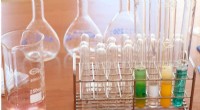
* Potassium Permanganate: Add a few drops of potassium permanganate solution to both liquids. Hydrogen peroxide will decolorize the solution due to its oxidizing properties, while water will not.
* Blood Test: A drop of hydrogen peroxide will froth or bubble when added to a drop of blood due to the enzyme catalase present in red blood cells. Water will not cause this reaction.
* Yeast Test: Add yeast to both liquids. Hydrogen peroxide will decompose due to the catalase enzyme in yeast, producing bubbles. Water will not.
4. Physical Properties:
* Boiling Point: Water boils at 100°C (212°F), while hydrogen peroxide boils at 150°C (302°F).
* Density: Water has a density of 1 g/mL, while hydrogen peroxide has a density of 1.45 g/mL.
Important Safety Note:
* Hydrogen peroxide is a strong oxidizer and can be corrosive. Always handle it with care, wear appropriate protective equipment, and store it in a cool, dark place.
* Never mix hydrogen peroxide with bleach or other chemicals, as this can create dangerous fumes.
Ultimately, the best way to differentiate between hydrogen peroxide and water depends on the context and available resources. For example, if you have a chemical lab, you can easily perform tests with potassium permanganate or yeast. However, if you are at home, you can use the appearance and odor as a general guide.