Gases:
* Nitrogen (N2): About 78% of the atmosphere
* Oxygen (O2): About 21% of the atmosphere
* Argon (Ar): About 0.93% of the atmosphere
* Carbon dioxide (CO2): A small but significant component, currently around 0.04%
* Other trace gases: These include neon, helium, methane, krypton, hydrogen, xenon, ozone, and others, present in very small amounts.
Liquids:
* Water vapor (H2O): Water in its gaseous form is a significant part of the atmosphere, especially in the lower layers.
* Clouds: These are composed of tiny water droplets or ice crystals suspended in the air.
Solids:
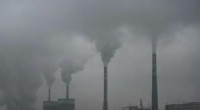
* Dust and aerosols: These are microscopic solid particles suspended in the air, including dust, pollen, smoke, sea salt, and volcanic ash.
* Ice crystals: These can form in clouds and contribute to precipitation.
It's important to note that while the atmosphere mainly consists of gases, there are also small amounts of liquid and solid particles present, playing crucial roles in weather patterns, climate, and atmospheric chemistry.