Processes that release carbon dioxide:
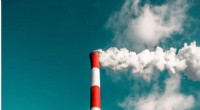
* Combustion: Fuel + Oxygen → Carbon Dioxide + Water + Energy
* Example: Burning wood, natural gas, or gasoline
* Cellular Respiration: Glucose + Oxygen → Carbon Dioxide + Water + Energy
* This is how living organisms get energy from food.
* Decomposition: Dead organisms + Oxygen → Carbon Dioxide + Water + Minerals
* Breakdown of organic matter by decomposers like bacteria and fungi.
* Volcanic Eruptions: Volcanic rocks release carbon dioxide from the Earth's mantle.
* Fossil Fuel Extraction: Fossil fuels like oil, coal, and natural gas contain stored carbon. When extracted and burned, they release carbon dioxide.
Processes that store carbon dioxide:
* Photosynthesis: Carbon Dioxide + Water + Light Energy → Glucose + Oxygen
* Plants and algae use sunlight to convert carbon dioxide and water into sugars.
* Ocean Absorption: Carbon dioxide dissolves in the ocean, forming carbonic acid. Some of this carbon is incorporated into marine organisms and eventually becomes part of the ocean floor.
* Carbon Sequestration: Storing carbon dioxide in underground geological formations or other reservoirs.
* This can be done through natural processes or through human-made technologies.
* Forest Growth: Trees and other plants absorb carbon dioxide during photosynthesis. By growing forests, we increase the amount of carbon stored in biomass.
It's important to note:
* These are simplified word equations and don't fully represent the complex chemical reactions involved.
* The balance of these processes determines the concentration of carbon dioxide in the atmosphere, which impacts climate change.