1. Chemical Reactions:
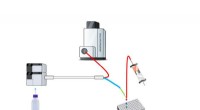
* Electrolysis: Passing an electric current through a compound can break it down into its elements. For example, electrolysis of water (H₂O) produces hydrogen gas (H₂) and oxygen gas (O₂).
* Thermal Decomposition: Heating a compound can cause it to break down into its elements. For example, heating calcium carbonate (CaCO₃) produces calcium oxide (CaO) and carbon dioxide (CO₂).
* Chemical Reactions with Other Compounds: Introducing a reactive compound can cause a chemical reaction that breaks the original compound into its elements. For example, reacting sodium chloride (NaCl) with silver nitrate (AgNO₃) produces silver chloride (AgCl) and sodium nitrate (NaNO₃), both of which are insoluble and precipitate out of solution.
2. Physical Methods:
* Distillation: This involves separating components of a mixture based on their boiling points. For example, you can separate a mixture of salt and water by heating the solution. The water evaporates and can be collected, leaving the salt behind.
* Filtration: This method separates solids from liquids by passing the mixture through a filter. This technique is useful for separating insoluble compounds from solutions.
3. Other Methods:
* Photolysis: Using light energy to break down compounds. This is often used in organic chemistry, where light can trigger the decomposition of molecules.
Important Considerations:
* Chemical Bonds: The strength of the chemical bonds within the compound determines the energy needed to break them.
* Reaction Conditions: Factors like temperature, pressure, and the presence of catalysts can influence the effectiveness of decomposition methods.
* Safety Precautions: Decomposition reactions can be hazardous, generating heat, gases, or potentially toxic substances. Always follow safety protocols and handle reactions responsibly.
Specific examples of breaking down compounds into elements:
* Electrolysis of water: Water (H₂O) is broken down into hydrogen (H₂) and oxygen (O₂) by passing an electric current through it.
* Decomposition of mercury oxide: Heating mercury oxide (HgO) breaks it down into mercury (Hg) and oxygen (O₂).
* Reaction of sodium chloride with silver nitrate: Sodium chloride (NaCl) reacts with silver nitrate (AgNO₃) to produce silver chloride (AgCl), which precipitates out of solution, and sodium nitrate (NaNO₃).
Remember that the specific method used to decompose a compound depends on its specific chemical properties and the desired products.