Here's a breakdown of the process:
Loss of Electrons:
* Oxidation involves the removal of electrons from a compound. This leads to an increase in the oxidation state of the atom(s) within the compound.
* For example, in the reaction of iron with oxygen to form iron oxide (rust):
* Fe (iron) loses electrons to become Fe³⁺ (iron ions)
* This process is called oxidation.
Gain of Oxygen:
* Oxygen is a highly electronegative element, meaning it attracts electrons.
* When a compound gains oxygen atoms, the oxygen atoms tend to pull electrons away from the other atoms in the compound, causing oxidation.
* For example, in the combustion of methane (CH₄):
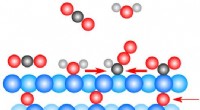
* Methane (CH₄) reacts with oxygen (O₂) to form carbon dioxide (CO₂) and water (H₂O).
* The carbon atom in methane gains oxygen, becoming carbon dioxide (CO₂).
* This process is also called oxidation.
Key Points:
* Oxidation and Reduction Always Happen Together: Oxidation is always accompanied by a reduction reaction, where another substance gains electrons or loses oxygen. This is known as a redox reaction.
* Oxidation State: The oxidation state of an atom reflects the number of electrons it has gained or lost.
* Oxidation is not always a chemical reaction: It can also be a biological process, such as the breakdown of glucose in the body for energy.
Examples of Oxidation:
* Combustion: Burning fuels like wood, propane, and gasoline.
* Corrosion: Rusting of iron, tarnishing of silver.
* Respiration: Breakdown of food in living organisms.
Let me know if you'd like more specific examples or have further questions!